
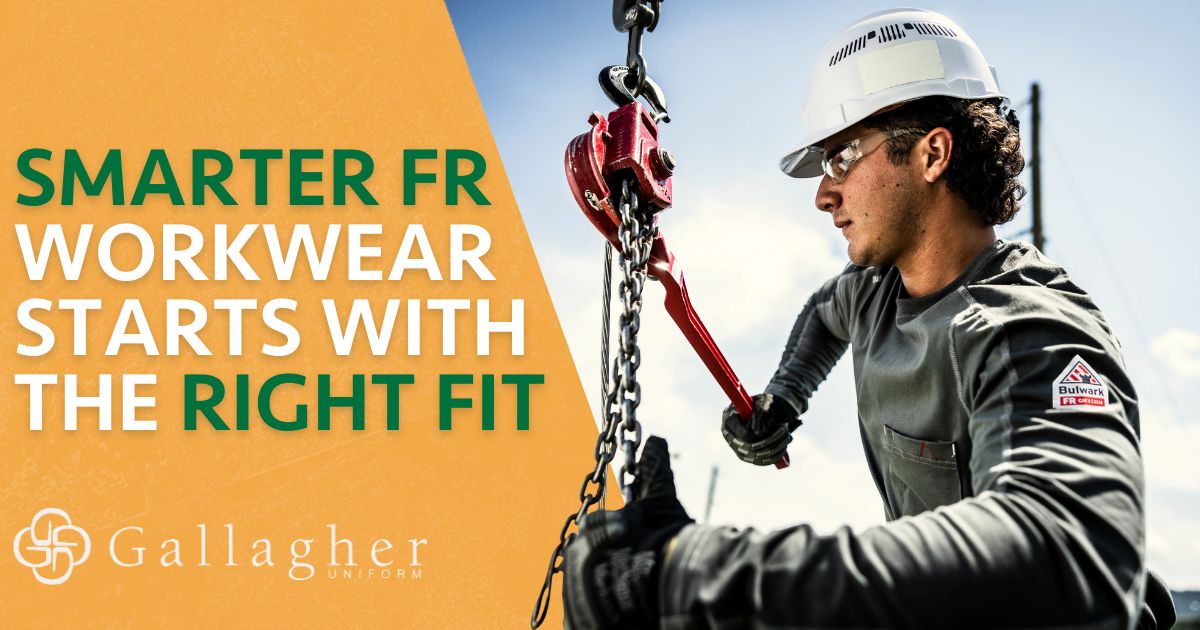
Flame Resistant Workwear Guide: Choosing FR Shirts and Pants for Industrial Work
Industrial work environments pose significant risks. Electrical exposure, flash fires, sparks, and combustible materials are part of the job for many teams. In these conditions, flame-resistant workwear isn’t optional. It plays a direct role in protecting employees and reducing the severity of workplace injuries.
This flame-resistant workwear guide focuses on what actually matters when choosing FR shirts and pants for industrial work. The goal is simple. Help you protect your team, support comfort on the job, and meet safety requirements without overcomplicating the process.
Why Flame Resistant Workwear Matters in Industrial Environments
Flame-resistant clothing is designed to resist ignition and self-extinguish when exposed to flames. Unlike standard workwear, FR garments help limit flame spread and reduce burn severity, giving workers critical time to move away from danger.
OSHA requires employers to protect workers from flame and electrical hazards through appropriate personal protective equipment, including flame-resistant clothing when exposure exists.
FR shirts and pants are commonly used in manufacturing, electrical work, utilities, oil and gas, chemical processing, and maintenance operations where arc flash or flash fire hazards may be present.
Step 1: Start With a Job-Specific Hazard Assessment
Before selecting FR shirts and pants, it’s important to understand the hazards employees face during a normal shift.
Common industrial hazards include
- Arc flash exposure from energized electrical equipment
- Flash fire risks from flammable gases, vapors, or liquids
- Sparks and heat from welding, cutting, or grinding
- Combustible dust or chemical exposure
A proper hazard assessment helps determine the level of protection required and ensures FR workwear is selected based on real working conditions, not assumptions.
Step 2: Understand FR Standards and Garment Labels
Not all flame-resistant garments offer the same protection. Industry standards help define when FR clothing is required and how it is tested.
Key standards to look for
- NFPA 70E for electrical safety and arc flash protection
- NFPA 2112 for protection against flash fire exposure
- ASTM standards referenced for FR performance testing
FR garments should clearly list compliance information on the tag, along with care instructions and arc ratings when required. These labels confirm the garment meets the appropriate safety requirements for the job.
Step 3: Choosing the Right FR Shirt
Fabric Type and Comfort
FR shirts are commonly made from FR-treated cotton or inherently flame-resistant fabrics. FR-treated cotton is often chosen for breathability and comfort, while inherent FR fabrics maintain protection throughout the life of the garment. The right choice depends on job hazards and how long the garment is worn each day.
Fit and Mobility
An FR shirt should allow employees to bend, reach, and move comfortably without excess looseness. Shirts that are too tight can restrict movement, while overly loose garments may increase snag risks around equipment or machinery.
Visibility and Job Requirements
In some environments, FR shirts also need to meet visibility requirements. High-visibility or enhanced-visibility FR options are commonly used for outdoor work, utility crews, and low-light conditions.
Step 4: Choosing the Right FR Pants
Durability for demanding work
FR pants should be built for physical wear. Reinforced seams, durable fabrics, and quality construction help garments hold up to kneeling, climbing, and repeated movement.
Proper fit and coverage
FR pants should provide consistent coverage when employees bend or climb. Proper rise and leg length help prevent exposed skin, which can increase risk during an incident.
Shirts and pants work as a system
Flame-resistant protection is most effective when FR shirts and pants are worn together. Selecting compatible garments helps ensure full upper and lower body coverage throughout the workday.
Step 5: Comfort Directly Impacts Compliance
Comfort affects whether FR workwear is worn correctly and consistently. If garments are heavy, restrictive, or poorly fitted, employees may modify how they wear them or avoid them altogether.
According to the National Safety Council, workplace injuries cost U.S. employers more than $176.5 billion each year in medical expenses, lost productivity, and administrative costs.
Breathable fabrics, proper sizing, and seasonal options help support comfort and long-term compliance.
Step 6: Maintenance and Care Matter More Than Most Teams Expect
FR workwear must be properly maintained to continue performing as intended. Improper laundering can reduce protective properties and create safety concerns.
Best practices include
- Following manufacturer care instructions
- Avoiding bleach, fabric softeners, and starch
- Inspecting garments regularly for wear or damage
- Replacing garments that no longer provide adequate protection
Professional laundering and inspection help ensure FR garments remain compliant and ready for use.
How an FR Uniform Program Simplifies Safety and Consistency
Managing FR workwear internally can be time-consuming. A full-service uniform rental program helps remove that burden.
A professional FR program supports
- Industrial laundering designed for heavy soil levels
- Routine garment inspections
- Automatic repairs and replacements
- Consistent weekly service
- Clear garment tracking and accountability
This approach helps maintain compliance, reduces administrative workload, and keeps employees properly protected week after week.
A Trusted Partner for Flame Resistant Workwear
For more than 130 years, we’ve supported industrial businesses across Michigan and Northern Indiana with dependable uniform programs. We understand hazardous work environments and help companies select FR shirts and pants that match safety requirements and real job conditions.
Choosing the right flame-resistant workwear is about more than meeting a standard. It is about protecting people, supporting productivity, and keeping operations running safely and consistently.
 SafeUnsubscribe® link, found at the bottom of every email.