
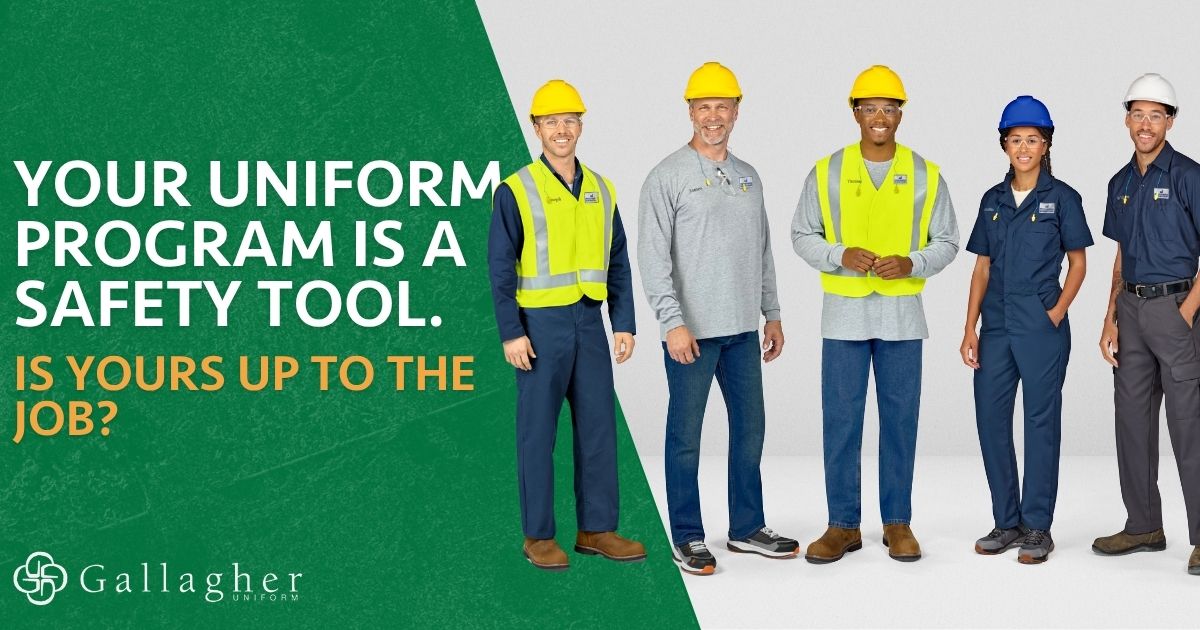
Your Uniform Program Is Part of Your Safety Plan. Here's Why It Matters This June.
June is National Safety Month, and for most operations managers, that means reviewing safety protocols, updating training materials, and making sure the facility is up to standard.
One thing that doesn't always make the list? The uniform program.
For manufacturing, food processing, industrial, and maintenance operations, the uniforms your team wears every day aren't just workwear; they're a frontline safety tool. And when the program isn't managed correctly, it creates risk instead of reducing it.
Here's what a compliant uniform program actually looks like, where most programs fall short, and what to do if yours has gaps.
Uniforms Are Safety Equipment. Treat Them Like It.
A torn cuff can catch on machinery. Pants that are too long create a trip hazard. A flame-resistant jacket that's been washed with the wrong detergent a hundred times may not perform the way it's supposed to when it matters most.
The uniform isn't just about looking professional. In a lot of industries, it's personal protective equipment.
According to the National Safety Council, serious nonfatal workplace injuries cost U.S. businesses more than $1 billion every week. That number reflects falls, burns, chemical exposures, and equipment incidents — many of which the right workwear is specifically designed to prevent.
The catch is that workwear only protects when it's in good condition, properly fitted, and meets the standards required for the job. When those things aren't in place, the uniform becomes part of the problem.
What Compliance Actually Requires by Industry
Not every team needs the same level of protection. But if your operation falls into one of these categories, there are specific standards your uniform program needs to meet.
FR and Arc-Rated Uniforms
For workers exposed to electrical hazards, arc flash, or flash fire risk, OSHA's PPE standard requires employers to assess the hazard and provide appropriate protective clothing. NFPA 70E and NFPA 2112 are the key standards that define what "appropriate" looks like.
Here's the part most programs miss: FR protection degrades. Washing FR garments with bleach, fabric softeners, or starch breaks down the flame-resistant properties over time. A garment that looked fine this morning may not be providing the protection its label once promised.
Home laundering is a compliance risk. Professional industrial laundering isn't optional for FR gear. It's part of what keeps the garment compliant.

High-Visibility Uniforms
Hi-vis gear is governed by the ANSI/ISEA 107 standard. For road crews, outdoor maintenance workers, warehouse teams, and anyone working in low-light conditions, these garments need to meet specific reflectivity and color requirements.
Reflectivity also degrades with improper washing. Abrasive cycles and the wrong detergents reduce the effectiveness of reflective tape over time. A hi-vis shirt that's been through too many rough home washes may no longer meet the standard it was originally rated for.

Food Processing Uniforms
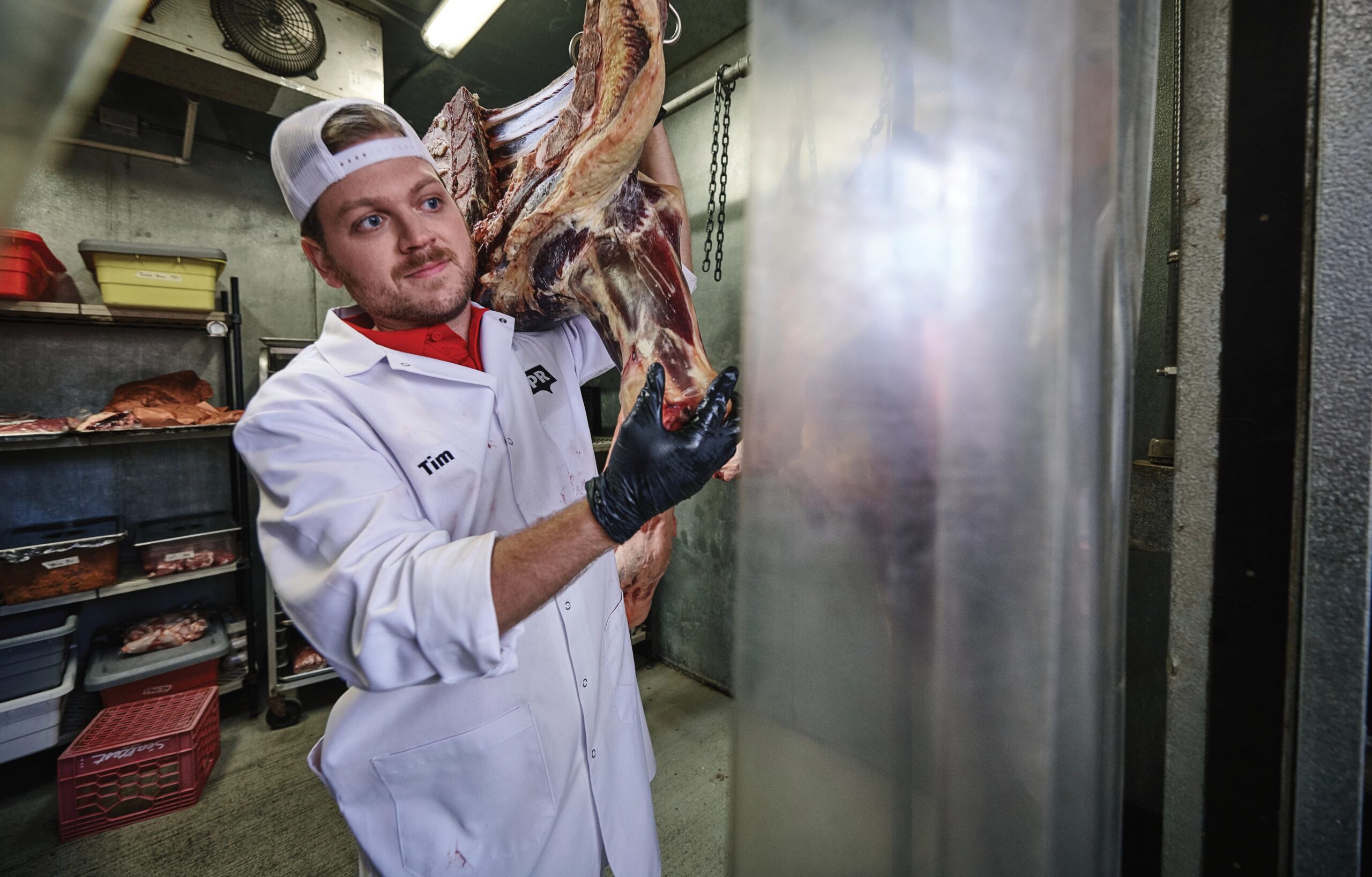
In food processing environments, uniforms aren't just about the worker. They're about the product. HACCP compliance and FDA food safety standards require that garments be laundered under controlled, documented conditions. Home laundering doesn't meet that bar.
TRSA Hygienically Clean Food Safety certification is the third-party verification that laundering processes meet those standards. If your provider can't show you that certification, you have a documentation gap that could surface during an audit.
The Real Safety Risk of Inconsistent Uniform Laundering
This is where a lot of uniform programs quietly break down.
The garments may be the right garments. But if they're being washed at home, inspected inconsistently, or returned to service with damage that nobody caught, the program isn't delivering the protection it's supposed to.
Here's what improper laundering does to safety garments:
- Bleach and fabric softeners degrade FR ratings on flame-resistant clothing
- Abrasive wash cycles reduce the reflectivity of hi-vis gear over time
- Home machines can't remove industrial-level contamination from food processing or chemical environments
- Without a formal inspection process, damaged garments go right back into rotation
Professional industrial laundering solves all of this. It uses processes specifically designed for the soil levels and garment requirements of industrial work. Every item goes through a formal inspection before it's returned.
At Gallagher, our Clean Green Certified facility handles FR, hi-vis, food processing, and industrial garments with processes built around their specific requirements. Our three-point inspection process catches damage before a compromised garment ends up back on your team.
What TRSA Hygienically Clean Certification Means and Why It Matters
TRSA Hygienically Clean is a third-party certification that verifies a laundry facility's processes meet documented hygiene and safety standards. It's not self-reported. It requires independent verification through on-site inspections and testing.
For food processing operations, pharmaceutical facilities, and healthcare environments, this certification matters in two ways.
First, it means your garments are actually being processed to the standard your industry requires. Second, it gives you documented proof of compliance, which is exactly what an auditor or regulator will ask for.
A provider that holds TRSA Hygienically Clean certification is a provider you can put in front of an inspector and stand behind. And Gallagher holds this certification.
How G-Trak and RFID Support Safety Documentation and Audit Readiness
Compliance isn't just about having the right garments. It's about being able to prove it.
Our G-Trak system tracks every garment through every step of the rental cycle using RFID technology. That means you can document which employee has which garment, when it was laundered, when it was inspected, and when it was repaired or replaced.
When a regulator visits or an internal audit comes around, that documentation is already there. You're not scrambling to pull records together. You're pulling up a system that's been tracking everything all along.
For safety managers responsible for compliance documentation, this changes the conversation entirely. It's the difference between "we believe our uniforms are compliant" and "here is the documentation that proves it."
What to Do If Your Current Provider Can't Document Compliance
Not every uniform program is built for the level of accountability that regulated industries require. Here are a few signs your current program may have a compliance gap:
- No documentation of laundering processes or facility certifications
- No garment-level tracking or audit trail
- Damaged garments returned to service without being flagged
- Unclear what standards your current garments actually meet
- No TRSA certification on file for food processing or hygiene-sensitive environments
If any of those sound familiar, the first step is to ask your provider directly. Request their certifications, ask how garments are tracked, and find out what their inspection process actually looks like.
If the answers are vague, that's worth taking seriously. Especially heading into an audit period or as you think about what your safety program needs to cover.
Switching providers is simpler than most businesses expect. And with the Cintas UniFirst merger creating uncertainty for a lot of customers right now, there's no better time to make sure your program is with a provider you can count on.
Gallagher Has Been Getting This Right Since 1893
We've been building uniform programs for manufacturers, food processors, industrial operations, and maintenance teams across Michigan and Northern Indiana for over 130 years.
Our programs are built around what your industry actually requires, not just what looks good on a proposal. That means the right garments, laundered to the right standard, tracked through every step, and delivered complete every week.
When safety month wraps up and the day-to-day gets busy again, the uniform program should be one thing you don't have to think about. That's what we're here for.
 SafeUnsubscribe® link, found at the bottom of every email.